Challenging Stigma: Why Visible Hearing Aids Still Matter
At the end of November, we had one of those moments in clinic that stays with you. A first-time hearing aid user arrived to collect her new devices — and instead of choosing a discreet colour, she proudly selected a bright, joyful Sky Blue.
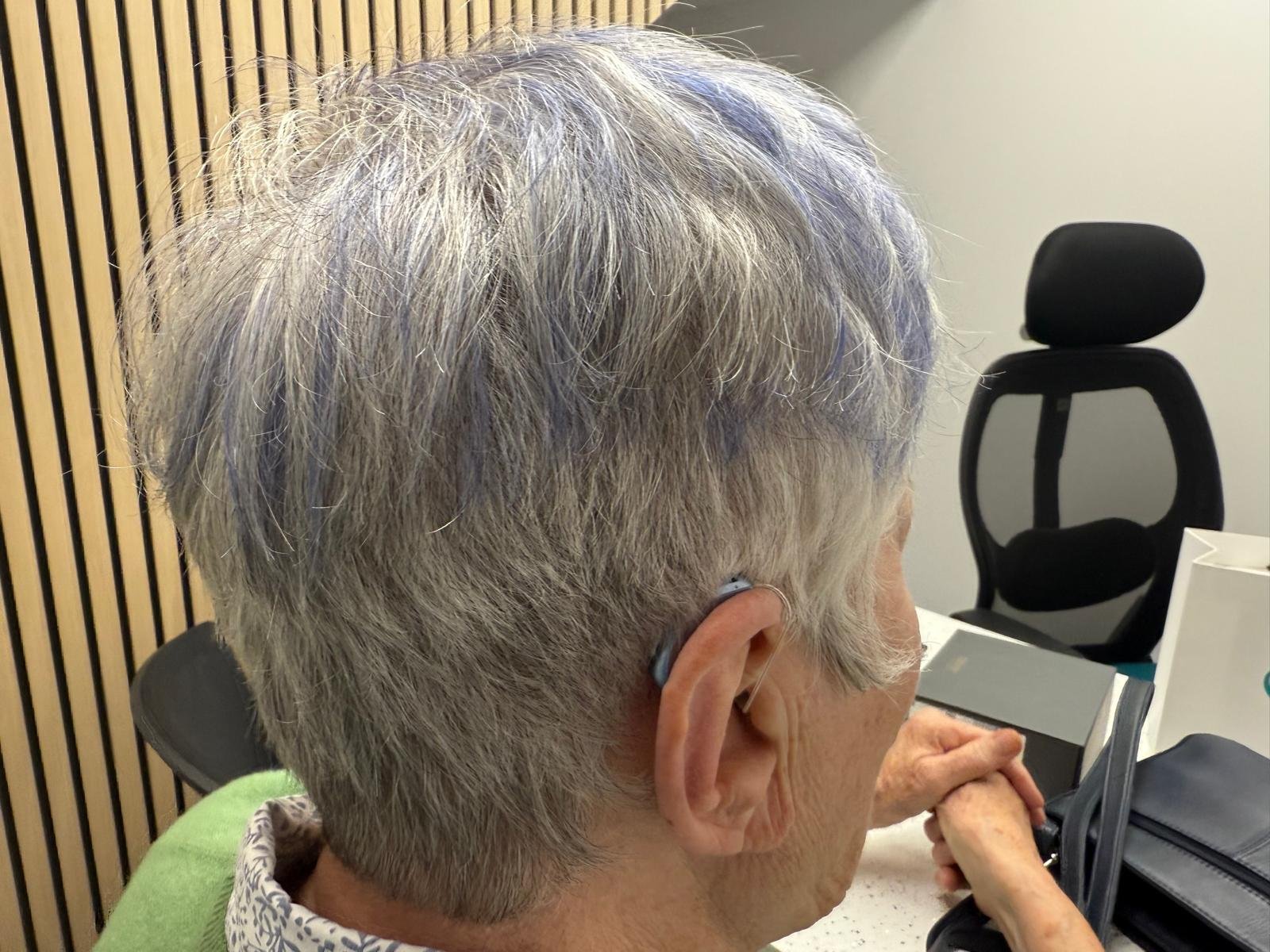
What made this even more meaningful was the reason behind her choice. She told me she felt inspired after seeing Michael wear his own Sky Blue hearing aid. In her words, “If he can wear his proudly, so can I.”
It was a small moment, but it spoke volumes about where we are — and where we still need to go — in tackling the stigma that surrounds hearing aids.
The quiet pressure to stay discreet
For decades, hearing aids have been designed to blend in. Smaller casings, skin‑tone colours, hidden microphones, integration into glasses — all with the aim of making them less noticeable. And while these innovations have helped many people feel more comfortable taking the first step, they also raise an important question:
Are we unintentionally reinforcing the idea that hearing aids should be hidden?
Modern hearing aids are already far smaller, sleeker and more elegant than the bulky devices many people still imagine. Yet the cultural pressure to keep them invisible remains surprisingly strong — even as we celebrate bold glasses, colourful dental braces and wearable tech.
Visibility can be empowering
That’s why moments like our patient’s Sky Blue choice matter. They challenge the assumption that hearing aids must be discreet. They show that visibility can be a form of confidence, not something to avoid.
And they remind us that normalising hearing aids isn’t just about technology — it’s about people seeing others who wear them openly and without hesitation.
Progress is slow, but it’s happening
Every time someone chooses a colour they love, or wears their hearing aids without worrying about who notices, we take another step forward. These small acts chip away at the stigma far more effectively than any marketing campaign ever could.
As clinicians, we have a role to play too. Whether through the conversations we have, the examples we set, or simply by wearing our own devices with pride, we help shape how hearing aids are perceived.
Looking ahead
Technology will continue to evolve — and discreet options will always have their place. But I hope we also continue to celebrate visibility, colour and individuality. Because hearing aids aren’t something to hide. They’re a sign of someone taking control of their hearing, their communication and their quality of life.
And sometimes, a bright Sky Blue hearing aid says more about confidence and progress than any new form factor ever could.