Ear Wax Removal: Why Training, Safety and Experience Matter More Than Ever
Ear wax removal has become one of the most widely offered hearing‑care services in the UK — but not all providers are the same. In recent years, more and more people have begun offering wax removal after completing only a short course, sometimes as brief as a single day.
For a procedure carried out millimetres from the eardrum, that should give all of us pause.
At Audibility, we believe people deserve clear, honest information about what safe ear care looks like — and why training and experience matter far more than many realise.
Ear Wax Removal Isn’t Regulated — and That’s Part of the Problem
Unlike hearing aid dispensing or other areas of audiology, ear wax removal is not regulated in the UK.
That means:
- anyone can offer it
- training requirements vary dramatically
- there is no minimum standard
- patients often assume all providers are equally qualified
Most people understandably believe that if someone offers wax removal, they must be properly trained. Sadly, that isn’t always the case.
Why Proper Training Matters
Wax removal involves working inside one of the most delicate parts of the body. A safe procedure requires:
- a detailed understanding of ear anatomy
- the ability to recognise infection, perforations and red‑flag symptoms
- knowing when not to proceed
- skill in using suction, irrigation or manual tools safely
- the judgement to manage complications calmly and correctly
These are not skills that can be mastered in a single day — or even a single course.
A Background Built on Raising Standards
As part of his wider professional work, Michael remains closely involved in the development of safe, evidence‑based practice in aural care. This includes reviewing training pathways, supporting clinicians as they expand their scope of practice, and helping ensure that wax‑removal training across the UK reflects the level of skill and care patients deserve.
This experience continues to guide the way we approach ear care at Audibility today.
Paediatric Wax Removal: A Higher Level of Skill
Children’s ears are smaller, more delicate, and require a completely different approach.
Paediatric wax removal demands:
- exceptional fine‑motor control
- patience
- the ability to adapt techniques safely
- a calm, reassuring manner
- clear clinical judgement
It’s an area Michael has worked in extensively, and one that reinforces why training and experience matter so deeply. Parents deserve to know their child is in safe hands.
Our Approach at Audibility
At Audibility, ear care is not an “add‑on service” — it’s a core part of our clinical work.
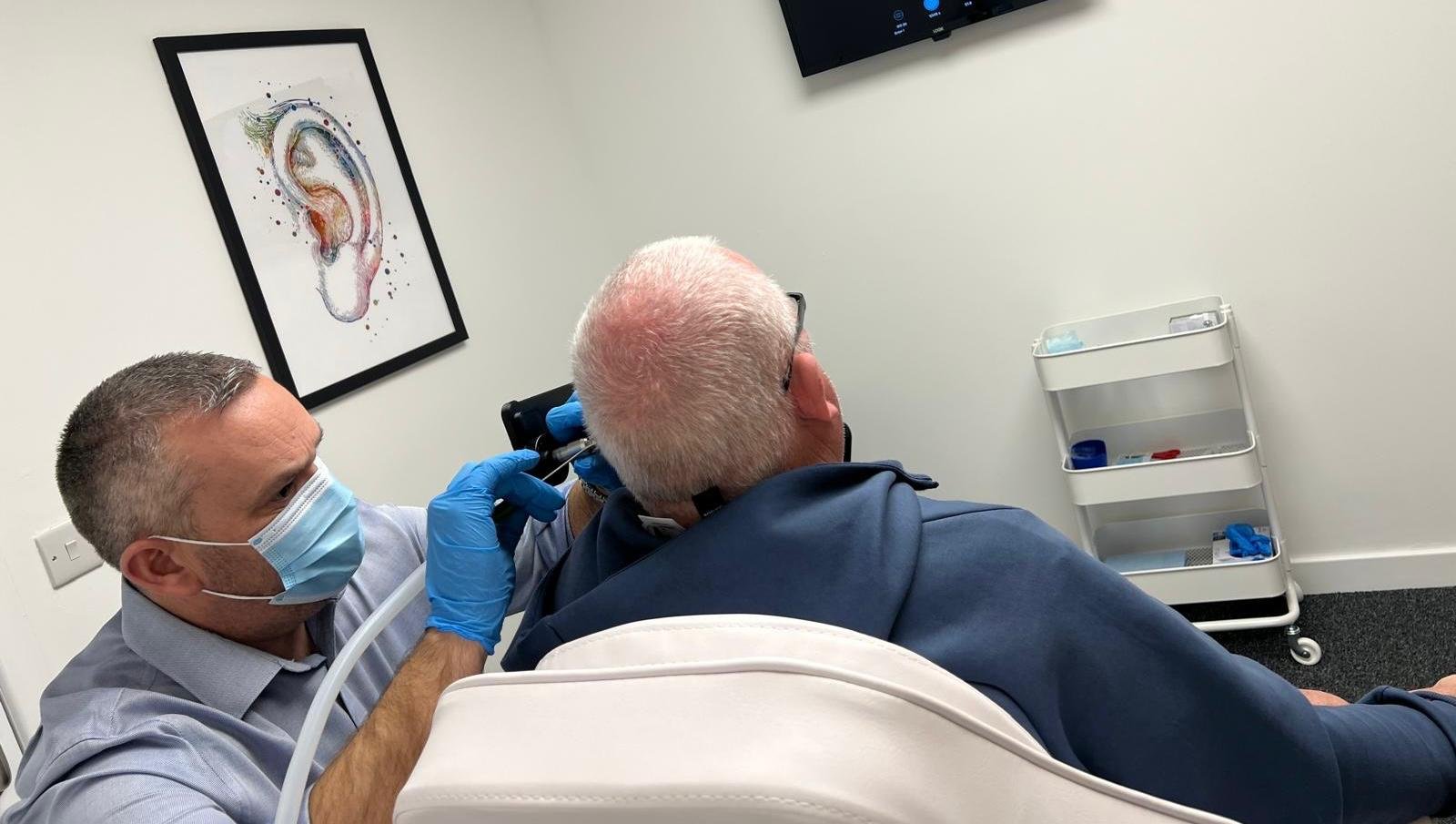
We use ENT‑grade endoscopes to visualise and record procedures, giving patients a clear view of what’s happening and ensuring the highest level of precision.
But most importantly:
- we take time
- we explain everything
- we only proceed when it’s safe to do so
Safe ear care is never rushed.
What Patients Should Look For
Whether you visit us or someone else, here are the questions we believe every patient should feel confident asking:
1. What training have you completed — and how long was it?
If the answer is “a one‑day course,” that’s important to know.
2. How much experience do you have?
Competence comes from practice, not certificates.
3. What equipment do you use?
ENT‑grade endoscopes and medical‑grade suction devices are the gold standard.
4. Can you recognise when wax removal should not be carried out?
A safe clinician knows when to stop.
5. Will you explain what you’re doing and show me what you see?
Transparency builds trust.
Putting Safety First
Ear wax removal should feel calm, clear and safe. You should feel informed, not rushed. And you should always know that the person caring for your ears has the training and experience to do so safely.
If you ever have questions about wax removal — whether you’re considering it for the first time or have had a difficult experience elsewhere — we’re here to help.
Frequently Asked Questions
Is ear wax removal regulated in the UK?
No. Ear wax removal is not a regulated procedure, which means training and competency can vary widely between providers.
What training should a wax‑removal clinician have?
Look for clinicians who have completed comprehensive, hands‑on training and who can demonstrate ongoing professional development — not just a short or single‑day course.
Is microsuction safe?
Yes — when performed by a trained and experienced clinician using appropriate equipment. Microsuction is considered one of the safest and most precise methods of wax removal.
Can children have ear wax removed safely?
Yes, but paediatric wax removal requires additional skill, patience and clinical judgement. Always choose a clinician experienced in working with children.
How do I choose a safe wax‑removal provider?
Ask about their training, experience, equipment, and whether they can recognise when wax removal should not be carried out. A safe clinician will always explain the procedure clearly and proceed only when appropriate.