Nuance Audio Smart Glasses: A Closer Look at Crossover OTC Hearing Support
Earlier this month, I attended a pre‑launch event for Nuance Audio, EssilorLuxottica’s new smart glasses featuring built‑in hearing‑support technology. It was a fascinating day — a room filled with people from optics, audiology, research and industry, including well‑known voices such as Matthew Alsopp of HearingTracker.
Nuance Audio represents something genuinely new: a crossover OTC device — not a hearing aid, not a traditional consumer gadget, but a hybrid product designed to support everyday listening without entering the regulated world of clinical audiology.
Innovation like this is exciting. Anything that encourages people to think about their hearing earlier is a positive step. But it also raises important questions about clinical responsibility, safety and expectations. And that’s where a balanced, local perspective matters.
A Bold Move from a Giant in Optics
EssilorLuxottica is one of the biggest names in global eyewear. Their move into hearing‑support technology signals a growing recognition that hearing and vision are deeply connected to how we navigate the world.
Nuance Audio is their first serious attempt to bring hearing support into the mainstream — not through a medical device, but through something people already wear comfortably every day: glasses.
For many, that familiarity may help reduce stigma. As I’ve written previously, I’m a firm believer in seeing hearing aids, not hiding them — and I say that as someone who wears one myself. But I also recognise that for some people, a discreet first step can be the bridge that leads them to proper care.
What Nuance Audio Is — and What It Isn’t
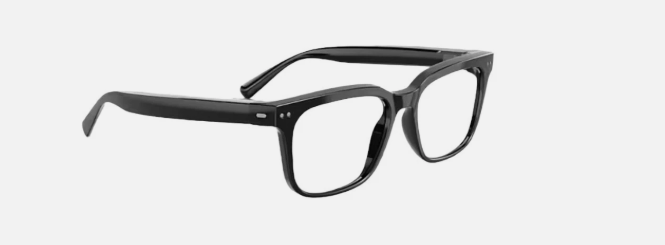
Nuance Audio glasses offer amplification and directional microphones designed to help in everyday listening situations. They are sleek, comfortable and cleverly integrated into a familiar form factor.
But they are not hearing aids. They do not include:
- a full diagnostic hearing assessment
- otoscopy to check ear health
- Real Ear Measurements (REM)
- a personalised prescription
- clinical oversight or medical responsibility
And this is where the distinction matters. Hearing is healthcare. A device that amplifies sound can be helpful — but it cannot replace a thorough examination by an audiologist who is trained to identify underlying conditions, red flags or issues that require onward referral.
Where Does Clinical Responsibility Sit?
This is one of the most important questions raised by crossover OTC products. If someone uses a device like this instead of seeking proper assessment, and an underlying condition is missed, who carries the responsibility?
As clinicians, we know that hearing loss can be linked to:
- earwax blockage
- middle‑ear conditions
- asymmetry requiring investigation
- medical red flags
- noise‑induced damage
These are things a pair of glasses — however innovative — cannot diagnose.
That’s why, while I welcome anything that encourages earlier engagement with hearing, I also believe strongly that safe adoption is better than early adoption.
Where Nuance Audio Fits for Patients
For some people, Nuance Audio may be a helpful first step — a way to ease into hearing support without committing to a medical device. For others, it may simply not provide the clarity, comfort or personalisation they need.
And that’s okay. The key is understanding what the device can do — and what it can’t.
If you’re curious about your hearing, the best place to start is always a full hearing assessment. From there, we can talk about whether a device like Nuance Audio might complement your needs, or whether a prescription hearing aid would offer better long‑term benefit.
A Welcome Conversation Starter
Nuance Audio won’t replace hearing aids — and it isn’t trying to. But it may help more people start thinking about their hearing earlier, and that can only be a good thing.
If you’ve seen the headlines and you’re wondering whether these glasses might help you, I’m always happy to talk through the options. Hearing is personal — and your care should be too.
Frequently Asked Questions
Are Nuance Audio glasses the same as hearing aids?
No. They offer general amplification and listening support, but they do not include diagnostic testing, personalised programming or clinical oversight.
Do I still need a hearing test if I try crossover OTC devices?
Yes. A hearing test checks the health of your ears and identifies conditions that amplification alone cannot detect.
Can these glasses replace prescription hearing aids?
No. Prescription hearing aids are medically regulated devices programmed to your hearing profile using techniques such as Real Ear Measurements.
Who are crossover OTC devices suitable for?
They may help adults with mild listening difficulties who want a simple first step — but they are not a substitute for a full assessment.
Are they safe to use if I’m not sure what’s causing my hearing difficulty?
They are safe to try, but they cannot diagnose underlying issues. A hearing assessment is always the safest starting point.