Specialist Hearing Care: How Clinical Leadership Supports Safe, Confident Decisions
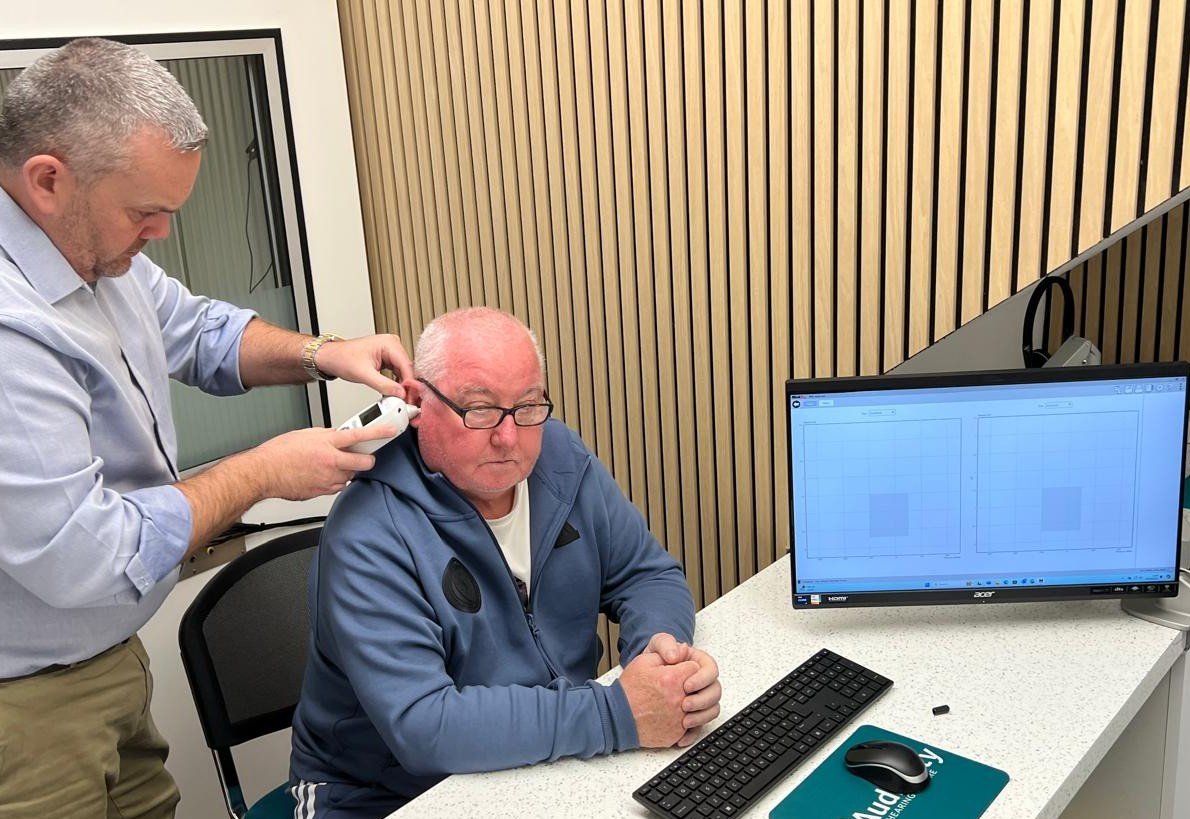
Most people who come to us have a common, manageable type of hearing loss — usually age‑related or related to long‑term noise exposure. These cases are straightforward to assess in clinic and rarely require onward referral. With the right support, rehabilitation and technology, people do exceptionally well.
But a small number of people present with patterns that benefit from a closer look. Not because complex cases are common — they aren’t — but because recognising them calmly and accurately is part of safe, specialist practice.
At Audibility, clinical leadership is central to how we work. It means your care is overseen by a registered clinician responsible for supervising clinical protocols, interpreting complex audiograms, identifying red flags, guiding referral decisions, auditing outcomes and ensuring evidence‑based rehabilitation.
What clinically led hearing care means
Clinically led care ensures that every assessment and recommendation is grounded in recognised standards of practice (including guidance from BSA, BSHAA and NICE), evidence‑based methods, clear referral criteria, transparent decision‑making and person‑centred communication.
It also means that if something unusual appears during testing, it is interpreted by someone trained to understand what it means — and what it doesn’t.
Different providers, different services
Hearing care in the UK is delivered by professionals with a wide range of backgrounds and training. Some offer a full diagnostic service, including detailed interpretation of results, identification of red flags, structured follow‑up, rehabilitation planning and referral guidance when needed.
Others focus on specific aspects of care, such as wax removal, basic hearing screening or hearing aid servicing. For patients who need hearing aids, the key question isn’t the job title — it’s whether the fitting is carried out using evidence‑based methods such as Real Ear Measurements (REM), validated outcome measures and structured follow‑up appointments.
What makes a hearing case “complex”?
Most people do not fall into this category. But a small number present with patterns that benefit from specialist interpretation, such as:
- sudden hearing loss
- hearing loss that is noticeably different between ears
- conductive elements that don’t match the history
- tinnitus with unusual or rapidly changing features
- dizziness associated with hearing changes
- a history of ear surgery
- chronic or recurrent infections
- unexplained fluctuations
These situations don’t necessarily mean something serious is wrong — but they do require someone who knows when to investigate further, and when reassurance is appropriate.
A personal perspective
As someone who lives with otosclerosis, I understand this from both sides of the consultation table. I’ve been through the full diagnostic pathway myself — from initial assessment, to imaging, to discussing surgical options such as stapedotomy. I know what it feels like to weigh up risks, benefits and long‑term implications.
In my case, after careful consideration, I chose to continue managing my hearing with a hearing aid. That was the right decision for me, based on my lifestyle, clinical findings and personal preferences. But every patient’s journey is different, and what matters most is access to clear information, specialist assessment and support in making the decision that feels right for them.
How Audibility ensures safe, specialist‑level care
At Audibility, all clinical pathways are overseen by an HCPC‑registered Clinical Lead, ensuring that every assessment, interpretation and recommendation is grounded in evidence‑based practice. This includes full diagnostic hearing assessment, clear explanation of findings, identification of red flags, middle‑ear testing where required, discussion of NHS and private referral routes, evidence‑based hearing aid fitting (including REM), validated outcome measures and structured follow‑up.
Final thoughts
Specialist hearing care isn’t about making things sound complicated. It’s about making sure every patient — whether their needs are simple or complex — receives safe, evidence‑based, person‑centred support. Most people who walk through our door simply need a clear assessment, good advice and the right rehabilitation. But for those who do need more, clinical leadership ensures nothing is missed, nothing is rushed and every decision is made with confidence.